
South Dakota's consumer protection laws, including Do Not Call Laws, safeguard residents from unsolicited sales calls and protect privacy. Businesses must comply with strict guidelines regarding call times to numbers on the national Do Not Call Registry, facing fines for violations. Consumers can register on the registry, file complaints with the South Dakota Attorney General's Office or Federal Trade Commission (FTC), and take action against non-compliant businesses. Knowledge of these laws is crucial for protecting one's rights in the marketplace.
In today's dynamic marketplace, understanding consumer protection laws is paramount for both businesses and individuals alike. South Dakota, like many states, has implemented robust legal frameworks to safeguard its residents from unfair practices, including Do Not Call Laws that protect against unwanted telemarketing calls. This comprehensive overview aims to demystify South Dakota's consumer protection regulations, offering a detailed guide for navigating this intricate landscape. By delving into key areas such as sales practices, warranties, and dispute resolution, readers will gain invaluable insights, empowering them to assert their rights and make informed decisions in the face of potential legal complexities.
Understanding South Dakota's Consumer Protections

South Dakota's consumer protection laws are designed to safeguard residents from unfair or deceptive practices in the marketplace. These regulations cover a wide range of issues, including product safety, advertising, pricing, and business conduct. One notable area of focus is Do Not Call Laws, which aim to prevent unsolicited sales calls and protect consumers' privacy. South Dakota's approach to consumer protection emphasizes transparency and fair treatment, ensuring residents are equipped with the knowledge to make informed decisions.
The state has established clear guidelines for businesses to adhere to, particularly regarding telemarketing practices. These laws permit consumers to register complaints against companies that violate Do Not Call regulations, empowering individuals to take action against intrusive marketing tactics. For instance, according to recent data, over 10,000 South Dakotans have registered on the national Do Not Call list, underscoring the state's commitment to consumer privacy and the effectiveness of these protection measures. Businesses found non-compliant face significant fines, reaching up to $10,000 per violation, which serves as a strong deterrent for potential offenders.
Practical advice for consumers is to familiarize themselves with their rights under South Dakota's consumer protection laws. This includes learning about Do Not Call Laws and taking proactive steps to register on the national list if desired. Additionally, staying informed about industry-specific regulations can help residents make smart choices when engaging with businesses. By understanding these protections, South Dakotans can confidently navigate the market, knowing they are shielded from unfair practices that may arise in today's digital era.
Do Not Call Laws: Rights & Restrictions in South Dakota
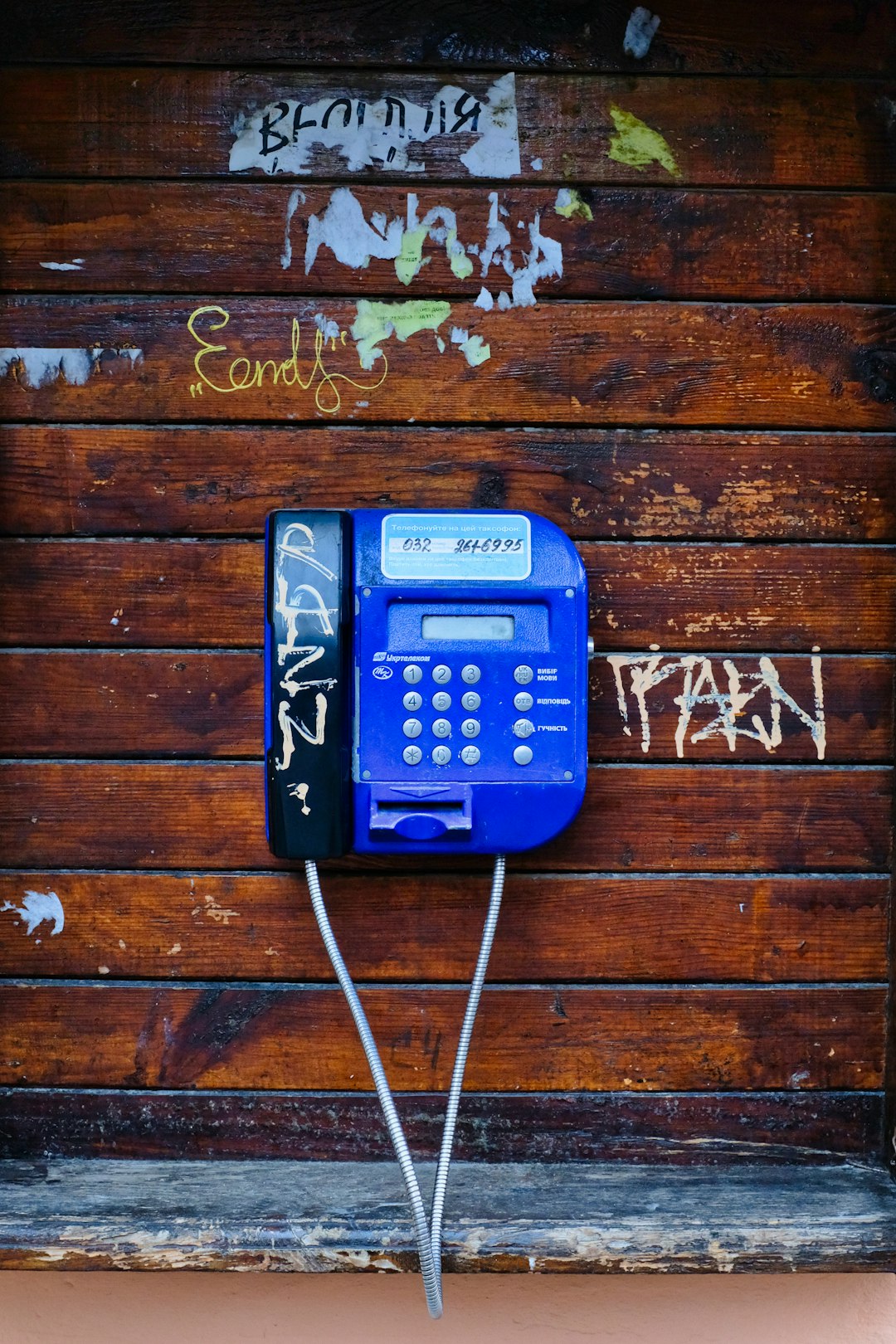
In South Dakota, Do Not Call laws are designed to protect residents from unwanted telemarketing calls, offering them a measure of privacy and peace. The state has specific regulations in place that dictate when businesses can contact consumers by phone, with strict penalties for violations. According to the South Dakota Department of Commerce, residents who register their phone numbers on the national Do Not Call Registry are entitled to significant protections. This registry is enforced at both the state and federal levels, ensuring compliance among telemarketers across the country.
Businesses engaging in telemarketing activities within South Dakota must adhere to strict guidelines. They are prohibited from making calls to numbers listed on the Do Not Call Registry during certain times, typically 9 a.m. to 5 p.m., Monday through Friday. Exceptions exist for emergency purposes or if the caller has obtained prior written consent from the recipient. Violations of these rules can result in substantial fines, with penalties reaching up to $1000 per day for each violation. To mitigate risks, companies should implement robust internal policies and training programs to educate employees about consumer protection laws, specifically Do Not Call regulations in South Dakota.
For South Dakota residents concerned about unwanted calls, the state offers several avenues for relief. First, registering for the national Do Not Call Registry is a fundamental step. This can be done online or by phone through the Federal Trade Commission (FTC). Additionally, South Dakota consumers can file complaints with the state's Attorney General's Office if they suspect their rights have been violated. By taking proactive measures and staying informed about their protections, both businesses and residents can ensure compliance with Do Not Call laws in South Dakota, fostering a fairer and less intrusive telemarketing environment.
Enforcing Your Rights: What to Know & Who to Contact

South Dakota consumers are protected by a robust set of consumer protection laws designed to safeguard their rights and ensure fair business practices. When it comes to enforcing these rights, understanding your options and knowing who to contact is crucial. One prominent area of focus is Do Not Call Laws, which aim to curb unsolicited sales calls and protect individuals' privacy.
In South Dakota, the Attorney General's Office plays a pivotal role in consumer protection. They offer resources and guidance on various issues, including Do Not Call laws. If you're experiencing a surge of unwanted phone calls from telemarketers or sales representatives, the first step is to register your number with the National Do Not Call Registry. This federal registry, maintained by the Federal Trade Commission (FTC), prohibits most telemarketers from calling numbers on the list. However, it's essential to note that some calls are exempt, such as those from charities, political organizations, or if you've given explicit consent.
If despite registering your number, you still receive excessive or harassing calls, taking action becomes imperative. Consumers can file complaints with both the Attorney General's Office and the FTC. These entities have the authority to investigate and take legal action against violators. The FTC, in particular, has broad powers under the Telephone Consumer Protection Act (TCPA) to enforce Do Not Call rules and award damages to affected consumers. For instance, in 2021, a South Dakota-based telemarketer was fined over $5 million for violating TCPA rules, demonstrating the severity of such infringements.
Additionally, consumers should familiarize themselves with their state's specific laws. South Dakota's Unfair or Deceptive Acts and Practices (UDAP) law empowers the Attorney General to pursue cases against businesses engaging in fraudulent or unconscionable practices. If you believe a company has violated these laws, contacting the Attorney General's Consumer Protection Division is advisable. They can provide assistance, investigate complaints, and take appropriate legal measures to protect consumers' rights.